



Where To Buy MDMA Canada | Understanding MDMA (“Ecstasy”) | Ecstasy Pills canada
MDMA (3,4-methylenedioxymethamphetamine), commonly known as Ecstasy or Molly, is a synthetic compound that acts as both a central nervous system stimulant and an empathogen/psychoactant. In unregulated markets, various visual designs and stamp logos—such as the “Tesla” press—as well as descriptive names like “Pink Champagne” frequently emerge to brand specific batches, colors, or tablet appearances.
This educational guide examines the neuroscience of MDMA, the reality of street-level drug branding and pressing practices, its legal classification under Canadian law, and essential harm reduction principles.
What Are “Tesla” Ecstasy Pills and “Pink Champagne” MDMA? | Where To Buy MDMA Canada |
In the street drug market, MDMA is generally distributed in two primary forms: crystalline/powdered form (often called “Molly”) and pressed oral tablets (traditionally called “Ecstasy“).
-
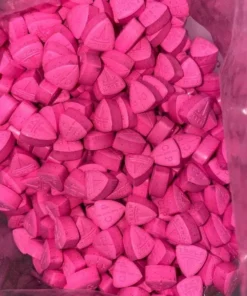
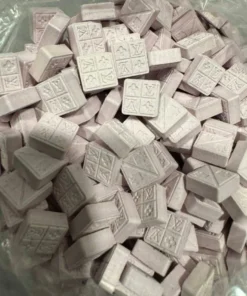
“Tesla” Ecstasy Pills: Refers to pressed tablets stamped with the shield-shaped logo of the Tesla motor company. These pills—often colored orange, yellow, or pink—gained notoriety in night-life culture due to high-profile public health warnings regarding variable doses and potent adulterants.
-
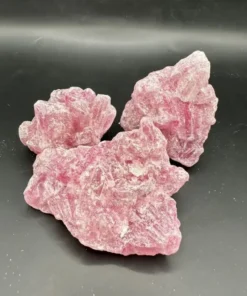
“Pink Champagne” MDMA: A marketing moniker used to refer to crystalline MDMA or powdered mixtures featuring a light pink, champagne, or off-red hue.
However, visual branding, stamped logos, and colors in unregulated drug markets provide zero assurance regarding content or chemical purity:
    [ Stamped Logo / Color ]  ────────≠────────>  [ Verified Chemical Content ]
 (e.g., "Tesla", "Pink Champagne")                     (Requires Lab / Reagent Testing)
The Science Behind Physical Appearance
-
Synthesis Byproducts: Colored tints in crystalline powder (like pink or brownish champagne) often stem from unreacted precursor chemicals, residual solvents, or impurities during crude synthesis rather than high purity.
-
Branding & Dyes: Manufacturers use distinct pill presses, custom stamps (such as corporate logos), and food dyes to create visual brand recognition or stand out in illicit marketplaces.
-
Counterfeiting & Adulteration: Because anyone can purchase a pill press or food dye, different illicit laboratories produce identical-looking “Tesla” pills or “Pink Champagne” powders with vastly different—and potentially dangerous—chemical compositions.
-
“Pink Cocaine” (Tuci): Public health agencies across Canada frequently warn that pink powders often contain no MDMA at all, consisting instead of hazardous mixtures of ketamine, caffeine, synthetic cathinones (“bath salts”), or stimulants like methamphetamine.
Neuroscience & Mechanism of Action
MDMA interacts primarily with the brain’s monoamine neurotransmitter systems—specifically serotonin, dopamine, and norepinephrine.
               [ MDMA Ingestion ]
                       │
     ┌─────────────────┼─────────────────┐
     ▼                 ▼                 ▼
[ Serotonin ]     [ Dopamine ]    [ Norepinephrine ]
 (Profound Mood    (Reward &       (Increased Heart
  & Empathy)        Energy)         Rate/Alertness)
Neurochemical Effects
-
Serotonin Transporter Reversal: MDMA binds to presynaptic serotonin transporters (SERT), reversing their function and causing a massive release of stored serotonin into the synaptic cleft. This produces feelings of intense emotional warmth, elevated mood, and heightened empathy.
-
Hormonal Cascades: The surge in serotonin triggers the release of oxytocin (associated with social bonding and trust) and vasopressin (which regulates fluid balance).
-
Dopamine & Norepinephrine Activation: Stimulates energy, alertness, and cardiovascular output, leading to increased heart rate and elevated blood pressure.
The “Comedown” Phase
Because the brain depletes its immediate store of serotonin during acute use, individuals often experience a sharp neurochemical decline in the days following exposure. Common symptoms include:
-
Low mood, emotional exhaustion, or depressive feelings
-
Anxiety, irritability, and physical fatigue
-
Disturbed sleep patterns and cognitive fog
Key Physical and Psychological Risks
While pharmaceutical-grade MDMA is currently under investigation in controlled clinical trials (such as MDMA-assisted psychotherapy for PTSD), recreational use in unregulated settings carries significant health risks:
| Risk Area | Mechanism | Potential Symptoms / Outcome |
| High Dose / Overdose | Street tablets like “Tesla” presses often contain unpredictable or double/triple doses of MDMA | Severe toxicity, panic attacks, extreme cardiovascular strain |
| Hyperthermia | Impaired thermoregulation combined with physical activity (e.g., dancing) | Rapid body temperature spike, heat stroke, organ failure |
| Hyponatremia | Excessive water intake combined with MDMA-induced fluid retention (vasopressin release) | Electrolyte imbalance, brain swelling, medical emergency |
| Serotonin Syndrome | Co-ingestion with SSRIs, MAOIs, or other serotonergic drugs | Tremors, rigidity, rapid heart rate, confusion, potential fatality |
| Contamination / Poisoning | Illicit supply contaminated with high-potency opioids (e.g., fentanyl) or synthetic stimulants | Severe respiratory depression, loss of consciousness, fatal overdose |
| Quantity | 10, 25, 50, 100 |
|---|
Be the first to review “Tesla Ecstasy Canada”
Related products
BUY MDMA ONLINE CANADA


BUY MDMA ONLINE CANADA
Buy Euros XTC 300mg Ecstasy Online Canada | MDMA Pills For Sale

BUY MDMA ONLINE CANADA

BUY MDMA ONLINE CANADA

BUY MDMA ONLINE CANADA

BUY MDMA ONLINE CANADA
BUY MDMA ONLINE CANADA

BUY MDMA ONLINE CANADA
Reviews
There are no reviews yet.