
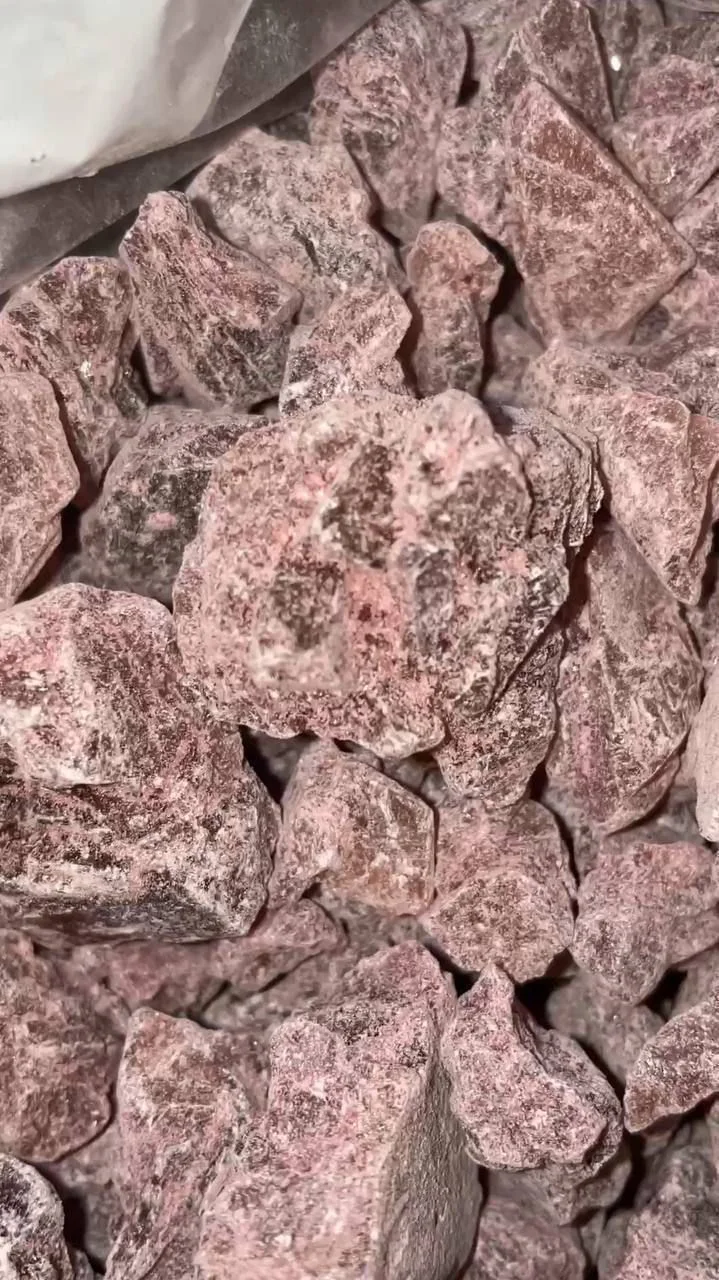


Pink Champagne MDMA Molly | Pink Champagne MDMA Molly Canada
Understanding MDMA (“Molly”): Chemistry, Street Nomenclature, and Legal Context in Canada
MDMA (3,4-methylenedioxymethamphetamine), commonly known as Ecstasy or Molly, is a synthetic compound that acts as both a central nervous system stimulant and an empathogen/psychoactant. In unregulated markets, various descriptive names—such as “Pink Champagne”—frequently emerge to market specific batches, colors, or crystal appearances.
This educational guide examines the neuroscience of MDMA, the reality of street-level drug branding, its legal classification under Canadian law, and essential harm reduction principles.
What Is “Pink Champagne” MDMA? Buy Pink Champagne MDMA Molly | Buy Pink Champagne MDMA Online | Buy Pink Molly Canada | Pink Champagne MDMA Molly
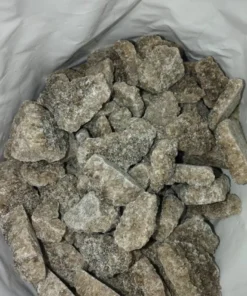
In the street drug market, “Molly” traditionally refers to what buyers assume is pure crystalline or powdered MDMA. The moniker “Pink Champagne” is a marketing descriptor used to refer to MDMA crystals or powders with a distinctive pinkish, champagne, or light red hue.
However, color in unregulated chemical compounds does not indicate purity or quality:
-
Leftover Synthesis Byproducts: A pinkish or champagne tint often results from unreacted precursor chemicals, residual solvents, or impurities during crude synthesis rather than higher purity.
-
Adulteration & Dyes: Sellers or illicit producers may intentionally add food dye, synthetic dyes, or secondary compounds to distinguish a batch or create a visual “brand”.
-
Alternative Substances (“Pink Cocaine” / Tuci): In recent years, public health agencies have highlighted that many pink-colored powders sold on the street contain little to no MDMA at all. Instead, they frequently consist of mixtures of ketamine, caffeine, synthetic cathinones (“bath salts”), or stimulants like methamphetamine.
Key Takeaway: Chemical appearance and marketing names are unstandardized. Laboratory analysis consistently shows that visual features like color or crystal shape have no reliable correlation with MDMA content or purity.
Neuroscience & Mechanism of Action
MDMA interacts primarily with the brain’s monoamine neurotransmitter systems—specifically serotonin, dopamine, and norepinephrine.
               [ MDMA Ingestion ]
                       │
     ┌─────────────────┼─────────────────┐
     ▼                 ▼                 ▼
[ Serotonin ]     [ Dopamine ]    [ Norepinephrine ]
 (Profound Mood    (Reward &       (Increased Heart
  & Empathy)        Energy)         Rate/Alertness)
Neurochemical Effects
-
Serotonin Transporter Reversal: MDMA binds to presynaptic serotonin transporters (SERT), reversing their function and causing a massive release of stored serotonin into the synaptic cleft. This produces feelings of intense emotional warmth, elevated mood, and heightened empathy.
-
Hormonal Cascades: The surge in serotonin triggers the release of oxytocin (associated with social bonding and trust) and vasopressin (which regulates fluid balance).
-
Dopamine & Norepinephrine Activation: Stimulates energy, alertness, and cardiovascular output, leading to increased heart rate and elevated blood pressure.
The “Comedown” Phase
Because the brain depletes its immediate store of serotonin during acute use, individuals often experience a sharp neurochemical decline in the days following exposure. Common symptoms include:
-
Mood drop, low mood, or depressive feelings
-
Anxiety, irritability, and fatigue
-
Sleep disturbances and cognitive fog
Key Physical and Psychological Risks
While MDMA is currently undergoing clinical trials for therapeutic applications (such as MDMA-assisted psychotherapy for PTSD in controlled medical settings), recreational use in unregulated settings carries significant risks:
| Risk Area | Mechanism | Potential Symptoms / Outcome |
| Hyperthermia | Impaired thermoregulation combined with physical activity (e.g., dancing) | Rapid body temperature spike, heat stroke, organ failure |
| Hyponatremia | Excessive water intake alongside MDMA-induced fluid retention (vasopressin release) | Electrolyte imbalance, brain swelling, medical emergency |
| Serotonin Syndrome | Co-ingestion with SSRIs, MAOIs, or other serotonergic drugs | Tremors, rigidity, rapid heart rate, confusion, potential fatality |
| Contamination / Poisoning | Illicit drug supply contaminated with high-potency opioids (e.g., fentanyl) or novel depressants | Severe respiratory depression, loss of consciousness, overdose |
Legal Status in Canada
In Canada, MDMA is classified as a Schedule I drug under the Controlled Drugs and Substances Act (CDSA).
-
Illegal Operations: Possessing, trafficking, producing, importing, or exporting MDMA without explicit authorization from Health Canada is illegal and punishable by significant legal penalties under federal law.
-
Medical Exemptions: Medical-grade MDMA can only be legally accessed through authorized clinical trials or specific exemptions approved by Health Canada under the Special Access Program (SAP) for severe, treatment-resistant conditions.
-
Unregulated Vendors: Commercial online storefronts selling MDMA or illicit substances outside of government-sanctioned medical programs operate unlawfully.
Harm Reduction & Public Health Considerations
Due to toxicities present in the unregulated supply, public health organizations across Canada emphasize strict harm reduction protocols:
-
Reagent Testing & Drug Checking: Utilizing chemical testing kits (such as Marquis, Mecke, or Froehde reagents) or community drug-checking services can help detect dangerous adulterants or the total absence of MDMA.
-
Never Use Alone: Ensure someone is present who can call emergency services (911 in Canada) if medical complications arise.
-
Carry Naloxone: While naloxone does not reverse MDMA toxicity, it reverses opioid overdoses if the substance has been cross-contaminated with fentanyl or nitazenes.
-
Hydration Balance: Drink moderate amounts of water or electrolyte solutions (approx. 250–500 mL per hour), particularly if active or in warm environments, to avoid both dehydration and hyponatremia.
-
Avoid Polysubstance Use: Mixing MDMA with alcohol, prescription antidepressants, or other stimulants drastically increases cardiovascular strain and neurological risk.
| Quantity | 3.5g, 7g, 14g, 28g, 56g |
|---|
Be the first to review “Pink Champagne MDMA Molly”
Related products
DMT VAPE PEN CANADA
DMT VAPE PEN CANADA
BUY MDMA ONLINE CANADA
SHROOMSDELIVERY

DMT VAPE PEN CANADA
.5ml DMT Vape Kit 400mg PREMIUM (Vape+ Battery) Vice City Labs

DMT VAPE PEN CANADA

DMT VAPE PEN CANADA
1ml DMT Vape Kit 800mg PREMIUM (Vape+ Battery) Vice City Labs
BUY MDMA ONLINE CANADA
Reviews
There are no reviews yet.